How to Start a Small Vegetable Garden in the Italian Countryside: A Beginner’s Month-by-Month Guide
A small vegetable garden in the Italian countryside rarely begins as a tidy rectangle of perfect beds. More often it starts with a patch of grass, a sunny corner behind the house, or a strip of ground that once grew something else. The good news is that you do not need much space, expensive tools, or a family history of farming. You need a sensible spot, a little patience, and a calendar that follows the seasons rather than the seed catalogue.
What follows is a beginner’s plan for a plot of roughly 20 to 30 square metres. It is deliberately modest. A garden you can water, weed, and harvest in half an hour a day will teach you more than a large one that gets away from you by June. Use the months as a template, not a rule: a garden in the Po Valley, the Tuscan hills, or a coastal strip in the south runs on different clocks. Ask nearby growers what they sow and when, check your seed packets, and note the last frost in your own valley.
Choose the Spot Before You Choose the Seeds
Sun is the first consideration. Fruiting crops such as tomatoes, peppers, courgettes, and beans want at least six hours of direct light in summer. Leafy crops will tolerate less, but they still prefer a bright position. Watch your proposed patch at three points in the day: morning, midday, and late afternoon. A spot that looks open in February may be shaded by a fig tree or a neighbour’s wall in July.
Water access matters more than beginners expect. A plot near a tap, a rain barrel, or a reliable hose is far easier to manage than one at the far end of a field. Carrying watering cans across a courtyard gets old by the second week of July. Also look at drainage. Avoid the lowest point of a slope, where cold air settles on frosty nights and rainwater lingers after storms.
- Sun: six hours or more for fruiting crops; four to five for salads and herbs.
- Water: close enough for easy watering, but not in a bog.
- Air: avoid a tight corner where humidity sits and mildew thrives.
- Access: leave narrow paths so you can reach plants without trampling beds.
Before digging, check the soil with your hands. Squeeze a handful. If it holds a tight, wet ball, wait. If it crumbles softly, it is workable. Digging wet clay or heavy soil destroys its structure and creates bricks. On dry days, clear weeds, spread a few centimetres of well-rotted compost or aged manure over the surface, and let the worms do part of the work.
The Year in the Garden, Month by Month
These stages are broad. In the south, shift spring tasks earlier and autumn tasks later. In the mountains, do the opposite. The aim is to work with the season you actually have, not the one printed on a northern European seed packet.
January and February
Plan, order seeds, and clean tools. On dry, mild days, spread compost on empty beds and repair paths. Avoid walking on saturated soil. In mild coastal areas, broad beans and early peas may go in if the ground is workable; in colder inland gardens, wait. On a windowsill or in a cold frame, you can start onions and leeks late in February. Check stored pumpkins, garlic, and potatoes for rot.
March and April
This is the season of small, cautious moves. Prepare beds when the soil crumbles. Sow hardy crops outdoors: carrots, radishes, spinach, lettuce, chard, and peas. Plant early potatoes. Start tomatoes, peppers, and aubergines indoors if you have warmth and light. Harden off young plants gradually before planting them out. Watch for late frost, especially in hollows and valley bottoms.
May and June
After the last frost, the garden fills up. Plant tomatoes, peppers, aubergines, courgettes, beans, basil, and squash. Stake or cage tomatoes immediately, not after they flop. Mulch around established plants with straw, grass clippings, or compost to hold moisture. Sow small batches of lettuce, radish, and bush beans every two or three weeks so the harvest does not arrive all at once.
July and August
Harvest often. Courgettes turn into marrows in days, and beans become tough if left too long. Water deeply in the morning where possible, and mulch bare soil. In late August, begin sowing autumn crops: spinach, chard, radishes, turnips, and winter lettuce. Clear spent peas and early beans, then sow a green manure such as field beans or clover if the bed would otherwise sit bare.
September and October
The main harvest continues, but the garden also needs tidying. Pick tomatoes before the first cold nights if they are still green; they will ripen indoors. Plant garlic in October or November in most mild areas. Clear exhausted plants, add compost, and mulch empty beds. In the south, autumn salads and brassicas can keep growing well into winter.
November and December
Harvest leeks, kale, cabbages, and root crops as needed. Protect tender plants with fleece or a simple frame if cold is forecast. Clean and oil tools, sharpen spades, and store seed packets somewhere dry. Cover bare soil with compost or a mulch to prevent winter rain from washing nutrients away. Then let the plot rest. A garden does not need to be busy to be in good order.
Crops That Earn Their Space
In a small plot, choose crops that give a lot for the ground they occupy. Cut-and-come-again lettuce and rocket are excellent value: sow a short row, harvest leaves, and let the plants regrow. Climbing beans use vertical space and produce over a long season. Chard is generous, tolerant, and attractive. Cherry tomatoes are more reliable than large slicing varieties in many home gardens. Herbs such as parsley, basil, rosemary, and sage earn their place near the kitchen door.
- Reliable starters: lettuce, rocket, radish, chard, climbing beans, cherry tomatoes, courgettes, garlic, parsley.
- Good for small spaces: spring onions, cut-and-come salads, dwarf beans, herbs, and one or two courgette plants.
- Worth limiting: huge pumpkin vines, sweetcorn in tiny plots, and crops you do not actually like eating.
Keep a simple rotation in mind. Do not grow tomatoes, peppers, and potatoes in the same bed year after year. Move leafy crops, roots, and fruiting crops around when you can. Even a rough rotation is better than none.
Water, Weeds and the Art of Not Fussing
Water less often but more deeply. A quick daily sprinkle encourages shallow roots; a thorough soak two or three times a week, depending on heat and soil, encourages roots to go down. Water in the morning if possible. Mulch after watering, not before, and keep mulch slightly away from stems. A simple drip line or soaker hose is useful if your plot is more than a few steps from the tap.
Weed little and often. Ten minutes with a hoe on a dry morning removes more weeds than an hour of pulling after rain. Feed sparingly: compost at planting and a little liquid feed for hungry crops in containers or poor soil is usually enough. Watch pests rather than panicking. Handpick snails, encourage birds, and accept that some holes in the leaves are part of growing food outdoors.
Keep a Notebook and a Weekly Half-Hour
A notebook is the cheapest garden tool you will own. Note sowing dates, frosts, what germinated, what the snails ate, and which tomato variety stood up to the summer. Walk the plot for half an hour each week with a basket and a bucket: harvest what is ready, pull the obvious weeds, and remove tired leaves. Small, regular attention prevents the feeling of returning to a jungle after a fortnight away.
Do not try to grow everything in your first year. Six to eight reliable crops are plenty. Succession sowing, a little mulch, and a willingness to taste as you go will teach you more than a perfect plan on paper.
Your First Season Starts Small
This weekend, choose a patch of about ten square metres in the sunniest, most accessible part of your land. Check how the water drains, mark out a path, and spread compost on the surface if you have it. Order a few packets of lettuce, radish, chard, and cherry tomatoes. Then wait for the soil to be workable and begin. A country garden is not built in a season; it is learned in small, repeated gestures, one month at a time.
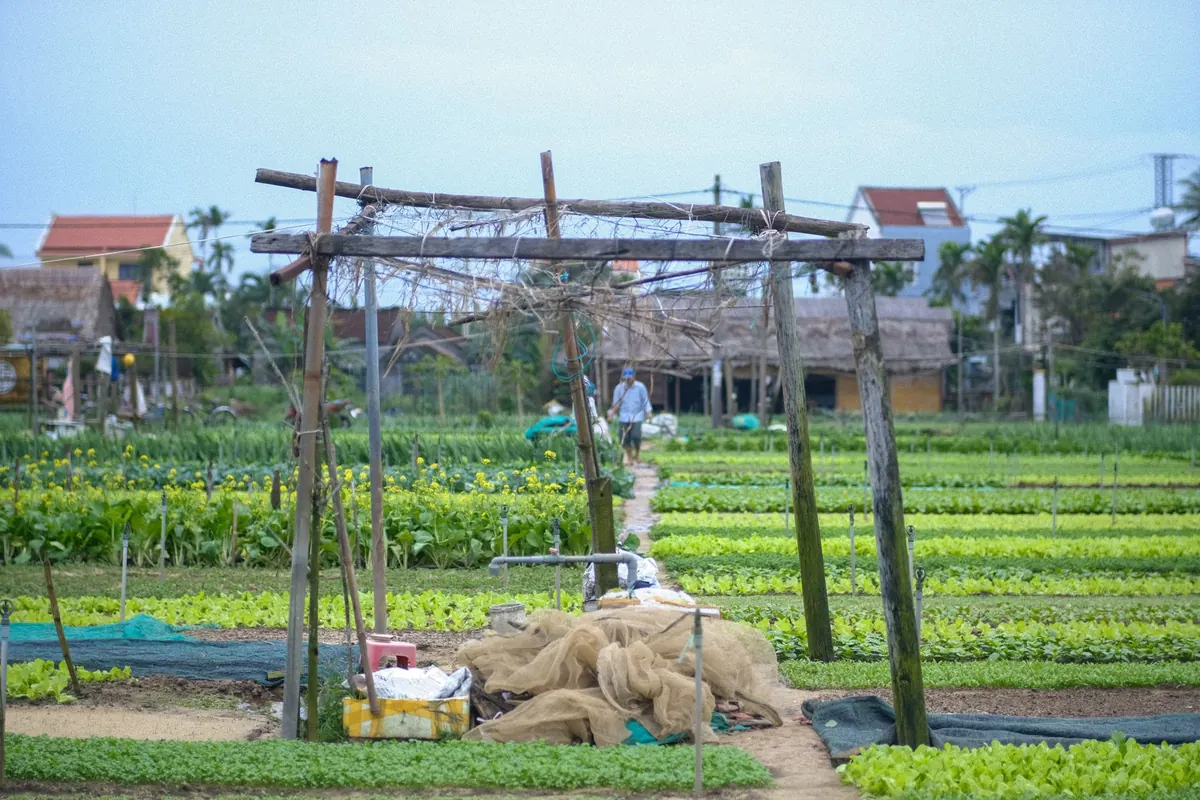
Photo: nhavantuonglai / Pexels
How to Create a Pollinator-Friendly Wildflower Patch in a Country Garden
A practical guide to planning, preparing, sowing and tending a wildflower patch that feeds bees and...
Understanding Rural Waste and Recycling in Italy: A Practical Explainer
A practical guide to rural waste in Italy: how local collection works, what goes in each bin, using the...
About Us