Common Mistakes to Avoid When Keeping Backyard Chickens
Most backyard flocks do not fail because the keeper stopped caring. They fail quietly, over a season, for reasons that were entirely avoidable: the coop sat in the wet corner of the garden, the feeder was topped up with scratch grain, nobody thought about the gap under the gate. Chickens are sturdy, forgiving birds, but they cannot compensate for a handful of predictable mistakes. The encouraging part is that those mistakes are well known, cheap to fix, and much easier to avoid before the birds arrive than after.
Putting the Coop in the Wrong Corner
The most common placement error is distance. People tuck the coop at the far end of the property for reasons of smell and tidiness, then discover that a January morning walk with a frozen drinker is a very different prospect from a June one. Put the coop where you will genuinely walk twice a day in foul weather. If you can see it from a kitchen window, you will notice a loose latch or a bird sitting apart from the flock far sooner.
Three more placement mistakes are worth checking before you dig anything in:
- Low, wet ground. Chickens standing in mud develop foot trouble, and damp litter gives off ammonia that irritates their respiratory tract. Pick the highest, best-drained spot you have, even if it means moving the coop further from the house than you planned.
- Full shade all day. Shade is welcome in July, but a coop that never sees sun stays damp. Morning sun on the structure and run is worth more than afternoon shade; you can add shade cloth for the hot hours.
- Open to the prevailing wind and rain. Shelter the doorway and the open side of the run. A dry coop with dry bedding is half the battle against disease.
Leave yourself working room, too. You want space for a wheelbarrow, a hose that actually reaches, and somewhere dry to stack bedding. And think about the boundary: a coop pressed against a neighbour's patio will cause friction long before the eggs arrive. Check your local rules on flock size, roosters, and distance from boundaries before you commit; these vary widely from one place to another.
Buying Too Small and Sealing Too Tight
These are opposite mistakes, and plenty of first coops manage both at once. A house sold as suitable for six hens is often comfortable for three once feeder, drinker, and perches are inside. Overcrowding does not announce itself loudly. It shows up as wet, smelly litter, feather-pecked backs, and hens that look ragged by autumn. Buy or build bigger than the minimum you have read, especially if the birds will spend wet weeks indoors.
Then there is ventilation. New keepers instinctively seal every gap against draughts, and end up with a humid box. You want air moving above the birds' heads — high vents, ideally sheltered by the roof — with no cold draught at perch level. Perches should be wide enough for feet to be covered when the bird settles, and set higher than the nest boxes so nobody roosts in the laying straw. Fit proper two-step latches rather than simple hooks, and walk the whole structure looking for gaps the width of two fingers.
Feeding Mistakes That Show Up Slowly
Feeding goes wrong quietly, and the symptoms — pale combs, thin shells, birds that look dull — appear weeks later. The usual culprits:
- Scratch as the main ration. Layers' pellets or mash are formulated to carry the protein, vitamins, and minerals a laying hen needs. Scratch grain is a treat: a small handful in the afternoon, scattered for foraging, not a diet.
- No grit and no calcium. Birds eating whole grain or foraging need grit to digest it, and laying hens need a calcium source. Offer both free choice in separate small hoppers and let the hens regulate themselves.
- Feeders left on the ground. Open feeders on soil get wet, get soiled, and feed rodents. Hang them at roughly the height of the birds' backs and bring them in at night.
- Kitchen scraps as a staple. Scraps are fine in moderation, but they unbalance a ration fast. Skip anything mouldy or very salty, and never feed chicken meat back to chickens.
- Neglected water. This is the one that costs you eggs first. Dirty drinkers reduce intake without any obvious sign. Rinse daily, scrub properly once a week, and check twice a day in freezing weather.
Change feeds gradually over a week or so rather than switching abruptly, and if a hen looks unwell, seek a vet's advice rather than experimenting with tonics.
Underestimating Predators
Everyone thinks of the fox. Raccoons, mink, rats, hawks, stray dogs, and even crows will take eggs or chicks. A fence keeps chickens in; it does not reliably keep predators out.
Use welded hardware mesh, not thin chicken wire, for the lower walls and vents — chicken wire keeps birds in place but a determined raccoon will tear through it. Bury an apron of mesh outward at ground level, or lay it flat and cover it with soil, to defeat digging. Cover the run: hawks come from above, and a roof also discourages climbers. Replace simple hook latches with something a clever paw cannot lift. Collect feed at night so you are not laying a table for rats.
Automatic pop-hole doors are genuinely useful if you are out at dusk, but check one before you trust it. A door that jams shut is inconvenient; a door that jams open is an invitation. After any storm, walk the perimeter and look for new gaps, sagging mesh, and lifted skirts.
The Daily Care Habits That Slip First
Good chicken keeping is boring and repetitive, which is exactly why people let it slide. Two walks a day cover most of it. In the morning: count heads, open the pop hole, fill the drinker, and glance at the droppings. In the evening: collect eggs, top up feed, and close up once the birds are in. Once a week, handle a couple of hens, look at their feet and under their wings, check for mites at the vent, and refresh bedding.
The mistakes here are predictable: skipping the headcount because you are late, letting eggs sit in nests until someone starts eating them, handling birds only when something is clearly wrong, and having no isolation crate ready for a bullied or sick hen. If a bird is lethargic, off her feed, or breathing oddly, isolate her and ask a vet rather than waiting a week to see.
A Simple Routine to Start With
Start with three or four hens, not a dozen. Set up the coop, run, feeders, and water before the birds arrive, so you are not improvising in the dark on the first night. Keep feed, bedding, and gloves in one dry place near the coop — a shed with a latch, not a bag under a tarpaulin. Do a dusk walk once a week with a torch, counting birds on the perches and looking for fresh digging.
Write down the small things in a notebook: when you last cleaned the drinker, when you opened a new bag of feed, which hen has been sneezing. Then find someone reliable who will do the morning and evening rounds if you are away, and walk them through it once while you are still there. Get those basics right and the rest of chicken keeping becomes what it should be — an hour a week of chores and a great deal of quiet pleasure.
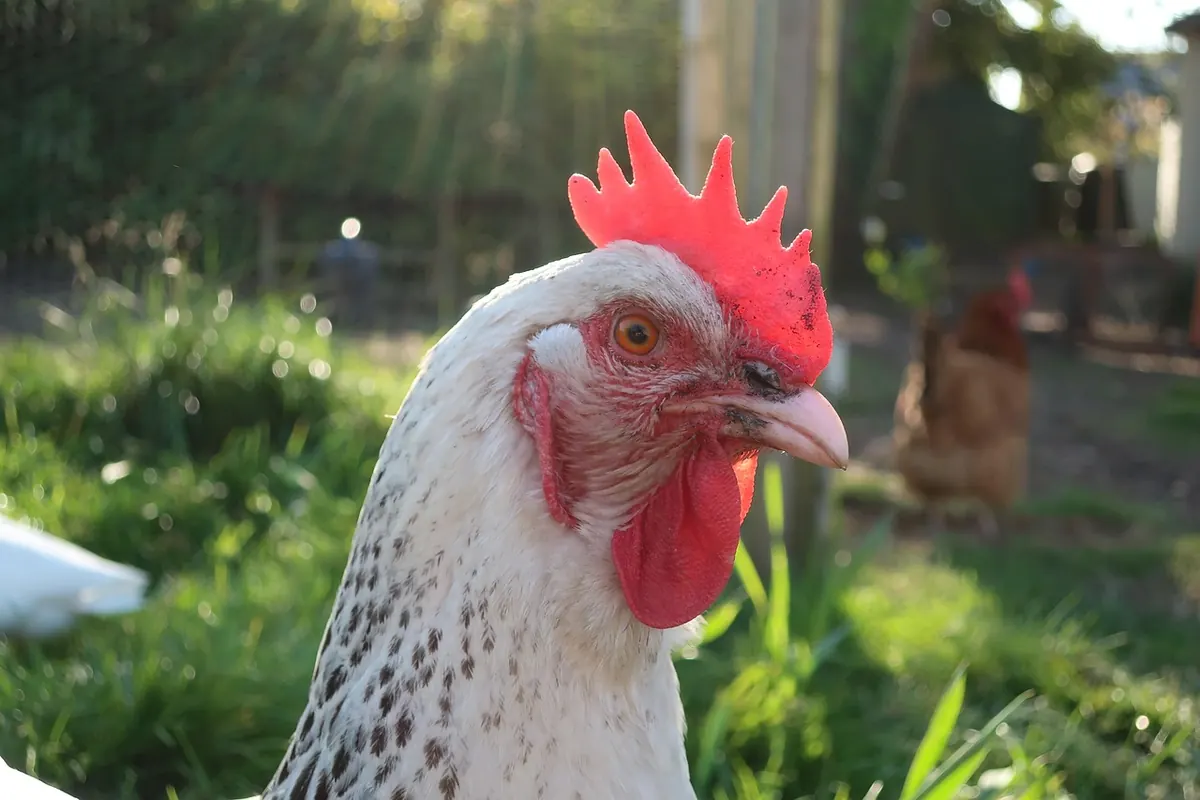
Photo: SylviaSage / Pixabay

How to Create a Pollinator-Friendly Wildflower Patch in a Country Garden
A practical guide to planning, preparing, sowing and tending a wildflower patch that feeds bees and...

Understanding Rural Waste and Recycling in Italy: A Practical Explainer
A practical guide to rural waste in Italy: how local collection works, what goes in each bin, using the...
About Us